Understanding the Importance of Heated Emergency Showers
In industrial environments where hazardous materials are handled, safety measures are paramount. One of the most critical safety features is the installation of emergency showers, especially heated emergency showers for outdoor areas. These installations ensure immediate access to flushing water in case of chemical spills or accidents, providing essential first aid and potentially saving lives. With the right choices and understanding of these products, facilities can significantly enhance their safety protocols.
What is a heated emergency shower for outdoor areas?
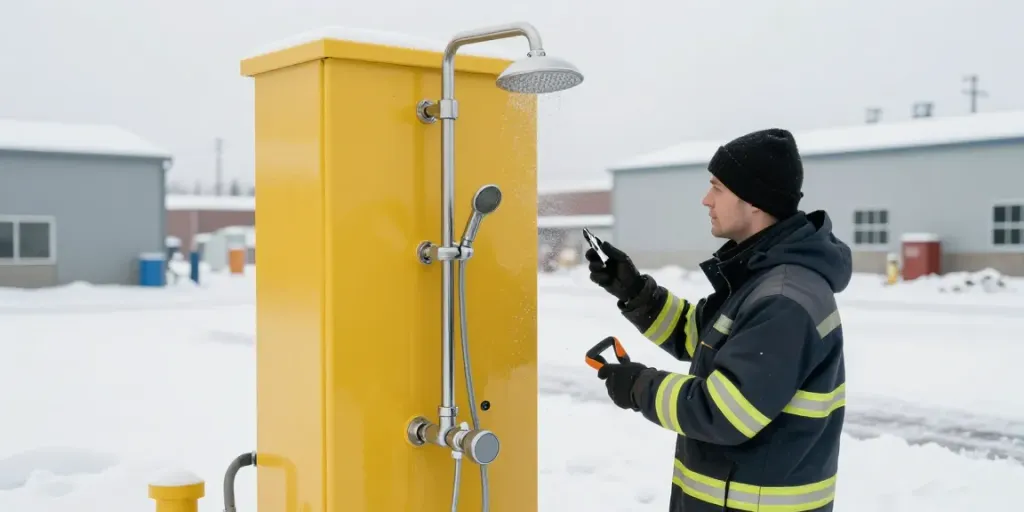
A heated emergency shower is specifically designed for use in outdoor environments where temperatures can drop below freezing. These showers are equipped with heating elements that ensure the water remains at a safe temperature, preventing it from freezing during cold weather. In addition, these showers include features like dual heads for both body and eye flushing, ensuring comprehensive decontamination in emergencies.
Why are heated emergency showers essential in cold climates?
In cold climates, standard emergency showers can become ineffective if not adequately protected against freezing temperatures. Heated emergency showers ensure that the water remains viable for flushing and that workers can receive immediate treatment after a chemical exposure. According to safety regulations, such as ANSI Z358.1, these showers must be installed in specific environments to comply with safety standards. Facilities that operate in colder regions must prioritize the installation of these systems to maintain compliance and safety.
Common misconceptions about emergency showers
One common misconception is that all emergency showers can operate effectively regardless of the environmental conditions. However, outdoor showers require special considerations for heating and insulation to function correctly in extreme temperatures. Additionally, some believe that regular maintenance is unnecessary, but in reality, heaters, water flow, and compliance with safety standards must be routinely checked to ensure reliable operation. Understanding these factors helps in making informed decisions about safety equipment.
Choosing the Right Heated Emergency Shower
When selecting a heated emergency shower, understanding specific requirements is crucial. One resource worth checking for detailed insights and comparisons is beheizte Notdusche für Außenbereiche. This can provide essential information tailored to your facility's needs.
Key features to look for in a heated emergency shower
- Heating Mechanism: The ability to maintain water above freezing temperatures.
- Construction Material: Durability through materials like stainless steel or high-density plastics.
- Flow Rate: Adequate water pressure and flow to ensure thorough rinsing.
- Accessibility: Easily reachable in emergencies, with clear signage indicating location.
How to assess your specific needs and requirements
Evaluate your environment by considering factors such as the presence of hazardous materials and the typical weather conditions. Consult with safety professionals to determine the best configuration for your emergency showers, ensuring that all safety regulations are met. It’s also essential to discuss your options with suppliers who can provide tailored solutions based on your industry and geographical requirements.
Understanding certification and safety standards
Emergency showers must comply with various safety standards, including ANSI Z358.1 and ASSE 1071. These standards dictate installation, maintenance, and inspection protocols to ensure that the units function correctly when needed. Proper documentation of compliance is necessary to avoid liabilities and ensure a safe workplace.
Installation Best Practices for Heated Emergency Showers
Installing heated emergency showers requires careful planning and execution. Properly installed showers are vital for ensuring user safety and system efficiency.
Optimal location considerations for outdoor installation
Emergency showers should be placed in well-lit areas, easily accessible from all parts of the facility. Factors such as proximity to hazardous materials and expected traffic flow must be considered to ensure the quickest possible access during an emergency.
Common installation mistakes to avoid
- Ignoring Local Codes: Always check local regulations and standards.
- Inadequate Drainage: Ensure the area around the shower allows for proper water drainage to prevent flooding or pooling.
- Poor Insulation: Install appropriate heating and insulation to prevent freezing.
How to ensure proper water temperature maintenance
Regular inspections should be conducted to check the functionality of heating elements. Establish a routine maintenance schedule that includes testing water temperatures, flushing the system, and inspecting for leaks or weaknesses in construction.
Maintenance and Compliance for Heated Emergency Showers
Maintenance is vital for regulatory compliance and system reliability. Regular upkeep not only ensures safety but can also prolong the life of emergency shower installations.
Regular inspection and maintenance schedules
Establish a systematic inspection schedule, ideally at least twice a year. This includes checking water flow, temperature, and all mechanical parts of the shower system. Documenting these inspections provides proof of compliance and readiness.
Documenting compliance with safety regulations
Maintain accurate records of inspections, repairs, and any incidents involving the shower systems. These documents not only serve to demonstrate compliance but also allow for a continuous improvement approach to safety protocols.
How to effectively train staff on proper use
Training programs should include demonstrations on the correct use of emergency showers, the importance of immediate treatment, and how to report issues with the systems. Regular refresher courses can keep safety protocols top-of-mind for all employees.
Future Trends and Innovations in Emergency Shower Technology
The future of emergency shower technology looks promising, with ongoing innovations aimed at improving safety and efficiency.
Emerging technologies for enhanced safety
Advancements like automatic self-testing systems will help ensure that emergency showers are always operational. These systems can alert facility managers to any malfunction, thereby reducing the risk of non-compliance.
Integrating smart technology in emergency showers
Smart technology could revolutionize emergency showers by allowing remote monitoring and control. This integration could facilitate better resource management and quicker response times in emergencies.
What to expect in the industry by 2026
By 2026, expect increased adoption of IoT devices in safety equipment, more stringent regulations, and heightened awareness around the importance of worker safety, driving demand for high-quality emergency showers.
FAQs
What are the mandatory regulations for emergency showers?
Mandatory regulations vary by region but generally include requirements for installation, maintenance, and operation, such as those outlined by ANSI and ASSE standards.
How often should heated emergency showers be tested?
Ideally, these should be tested at least semi-annually, with regular checks for functionality conducted quarterly to ensure compliance.
Are there specific brands recommended for heated emergency showers?
It is advisable to choose brands known for quality and compliance with safety standards. Consult with industry professionals for the most reliable recommendations.
Can heated emergency showers be installed indoors?
While heated emergency showers are often used outdoors, indoor installations are also possible, provided they meet the required regulations and provide adequate water flow.
What maintenance is required for outdoor emergency showers?
Outdoor showers require regular inspections, temperature checks, and cleaning to ensure they are free from debris and operational at all times.