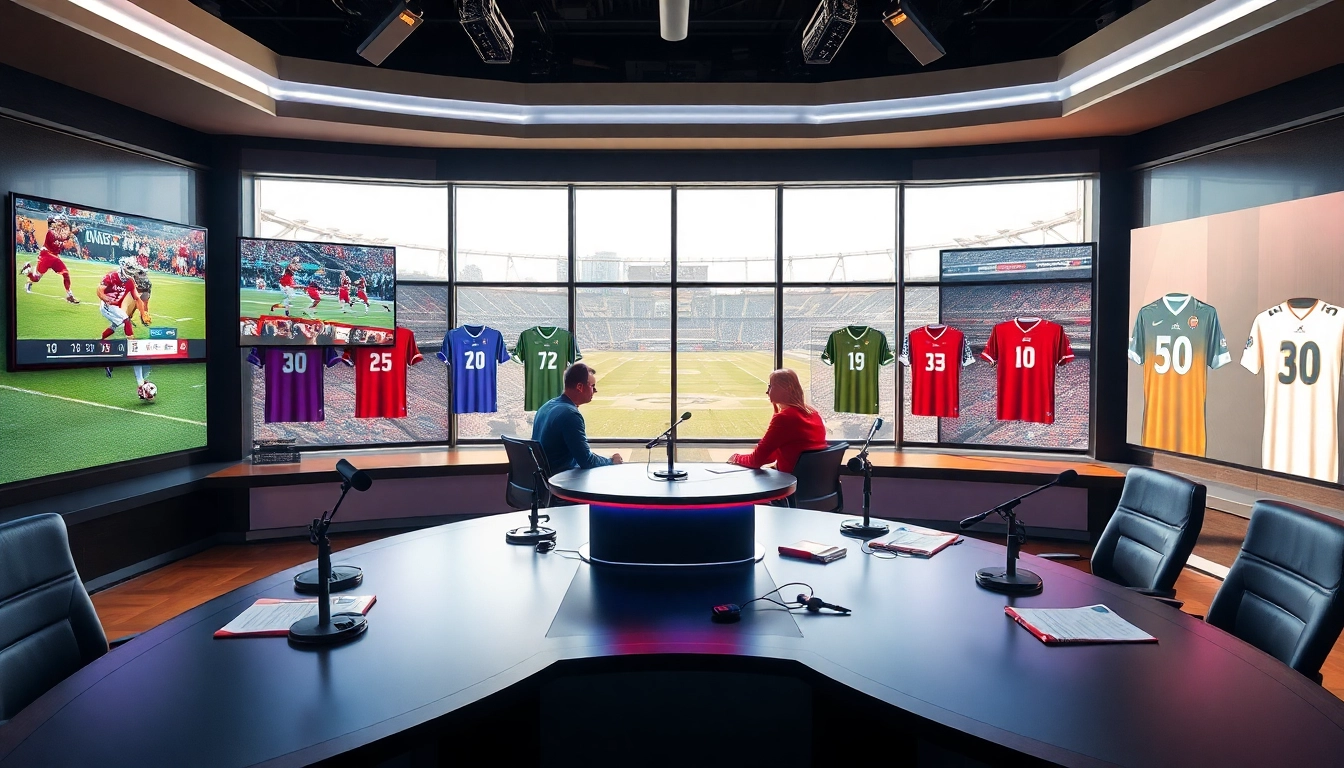
Introduction to Sports Broadcasting
Sports broadcasting serves as a vital bridge between the games and their fans, enabling people to witness thrilling moments from their favorite sports, teams, and athletes. With a combination of technology and talent, sports broadcasters strive to deliver exhilarating coverage and engaging content. In today’s digital age, the landscape of Sports Broadcasting is continuously evolving, leading to exciting opportunities and challenges. This article aims to explore the intricate world of sports broadcasting—its history, its audience, and its future.
What is Sports Broadcasting?
Sports broadcasting refers to the live transmission of sports events through television, radio, digital platforms, and streaming services. It encompasses various content formats, from live game coverage and commentary to highlight shows and sports news. The primary goal is to provide fans with immediate access to their favorite sports moments, allowing them to engage with the action as it unfolds.
The Evolution of Sports Broadcasting
Sports broadcasting has undergone significant transformations since its inception in the early 20th century. Initially dominated by radio broadcasts, the introduction of television in the mid-1900s revolutionized the way fans experienced sports, making it a household event. As technology advanced, the shift towards digital transmission and streaming platforms significantly impacted viewer habits, creating a diverse landscape where fans can access sports content anytime, anywhere. Today, sports broadcasting is not just about airing games; it involves integrating social media, virtual reality, and interactive content, catering to a tech-savvy audience.
Key Components of Sports Broadcasting
At the core of sports broadcasting lies a combination of essential components. These include:
- Production: The technical aspects of broadcasting involve video and sound engineering, camera work, and graphic design, crucial for delivering high-quality content.
- Commentary: Engaging and knowledgeable commentators provide context and narrative, enhancing the viewing experience by connecting fans with the game.
- Distribution: This involves the platforms through which content is accessed, ranging from traditional cable TV to modern streaming services.
- Marketing: Sports broadcasts rely heavily on marketing strategies to attract viewers and advertisers, emphasizing the importance of understanding audience demographics.
Types of Sports Broadcasting
Traditional Broadcasting Methods
Traditional broadcasting mainly refers to television and radio transmissions. Television remains the dominant medium for live sports coverage due to its ability to deliver visual content effectively. Cable and satellite channels have invested heavily in sports rights, often producing exclusive shows and events. Radio broadcasts, while less visual, offer fans timely updates and analyses during live events, making them a go-to source for avid listeners.
Digital and Streaming Platforms
With the rise of the internet, digital platforms have transformed sports broadcasting dramatically. Streaming services allow for on-demand viewing, giving fans unmatched flexibility. Platforms such as sports networks’ websites and mobile applications enable users to watch games live on their devices, catering to younger audiences seeking convenience. Additionally, social media has become an integral part of sports broadcasting, where highlights and snippets are shared instantaneously to engage fans.
Regional vs. National Coverage
Sports coverage can generally be categorized into regional and national broadcasts. Regional broadcasts typically focus on local teams, providing insights and commentary tailored to local audiences. National broadcasts, however, cover major league games and tournaments, attracting wider audiences. Each type has its unique offerings, with regional networks emphasizing in-depth analyses and national ones seeking broader narratives that appeal to diverse viewer bases.
The Audience of Sports Broadcasting
Understanding Viewership Demographics
Understanding viewership demographics is crucial in sports broadcasting, as it influences content creation and marketing strategies. Audiences vary widely in age, gender, location, and preferences, which broadcasters analyze through ratings and surveys. Young audiences, for instance, lean towards sports content on digital platforms, while older generations may prefer watching games on traditional television. Tailoring content to these groups can boost viewer engagement significantly.
Engagement Metrics in Sports Broadcasting
Engagement metrics are vital for evaluating the success of sports broadcasting. Metrics such as view counts, social media interactions, and time spent watching provide insight into audience preferences. These data points help broadcasters adjust their programming and marketing strategies. High engagement levels indicate effective content that resonates with viewers, essential for attracting sponsors and advertisers seeking exposure.
Importance of Audience Feedback
In the rapidly changing landscape of sports broadcasting, audience feedback is invaluable. It allows broadcasters to stay attuned to viewer expectations and preferences, informing programming decisions. Surveys, Twitter polls, and feedback from comment sections enable networks to gauge viewer satisfaction and adapt accordingly. This interactive approach fosters a deeper connection with the audience while enhancing the overall viewing experience.
Challenges in Sports Broadcasting
Technical Difficulties and Solutions
Technical glitches can undermine the viewing experience, leading to frustrated fans. Issues like poor video quality, buffering, and sound problems often arise due to network congestion or outdated equipment. To combat these challenges, broadcasters must invest in robust infrastructure, regularly update their technology, and provide comprehensive training for production teams. Implementing backup systems and offering alternative streams can also mitigate potential disruptions.
Legal and Regulatory Hurdles
Sports broadcasting does not operate in a vacuum and must adhere to various legal and regulatory standards. Issues like broadcasting rights, licensing, and content restrictions can complicate operations. Broadcasters must navigate complex agreements with leagues and rights holders to avoid legal complications. Staying informed about relevant laws and regulations is critical in ensuring compliance and protecting the organization’s interests.
Managing Expectations and Viewership Trends
The landscape of sports broadcasting is dynamic, and managing audience expectations is a continuous challenge. As technology evolves, viewer preferences shift, with many fans demanding more interactive and personalized content. Broadcasters must balance traditional methods with emerging trends, ensuring that they offer content that meets contemporary standards. Continuous research and adaptation will not only maintain viewer interest but also keep broadcasters competitive in the industry.
The Future of Sports Broadcasting
Emerging Technologies in Sports Broadcasting
The future of sports broadcasting is poised to be significantly shaped by emerging technologies. Innovations such as augmented reality (AR), virtual reality (VR), and artificial intelligence (AI) are beginning to penetrate the field, offering fans immersive experiences that enhance engagement. For example, VR can transport fans to the front row of a live event from the comfort of their homes, while AI can personalize content based on viewer preferences and behavior.
Trends Shaping the Future Landscape
Several trends indicate the future trajectory of sports broadcasting. The rise of eSports is noteworthy, attracting a new generation of viewers who engage differently with content. Multi-platform strategies are increasingly common, where broadcasters present content simultaneously across various outlets to maximize reach. Moreover, the demand for interactivity—allowing users to participate in the broadcasting process—will likely grow, with features such as live polls and viewer-controlled camera angles.
Predictions for Sports Broadcasting Evolution
As we look to the future, it’s predicted that sports broadcasting will become even more integrated with technological advancements and audience-centric approaches. Personalized content delivery, where fans receive tailored recommendations based on their viewing habits, will represent a significant shift. Also, as streaming services continue to proliferate, competition among platforms will intensify, driving innovation and potentially lowering costs for viewers. Overall, the evolution of sports broadcasting will continue to emphasize accessibility and engagement, ensuring the medium remains relevant in the years to come.
FAQs
What is sports broadcasting?
Sports broadcasting refers to the live transmission of sports events through various mediums, allowing fans to watch and engage with their favorite teams and sports from anywhere.
What are the main types of sports broadcasting?
Sports broadcasting can be categorized into traditional TV broadcasts, online streaming services, and radio broadcasts, each utilizing different technologies to reach audiences.
How do audience engagement metrics affect sports broadcasting?
Audience engagement metrics help broadcasters understand viewer preferences, enhance content delivery, and tailor advertising strategies to improve overall performance.
What challenges do sports broadcasters face today?
Challenges include technical difficulties, legal restrictions, and the need to adapt to changing viewer habits, particularly with the rise of digital platforms.
What is the future of sports broadcasting?
The future of sports broadcasting is likely to be shaped by emerging technologies, new viewing platforms, and an increasing emphasis on personalized content for audiences.